
By: Drew Roberts
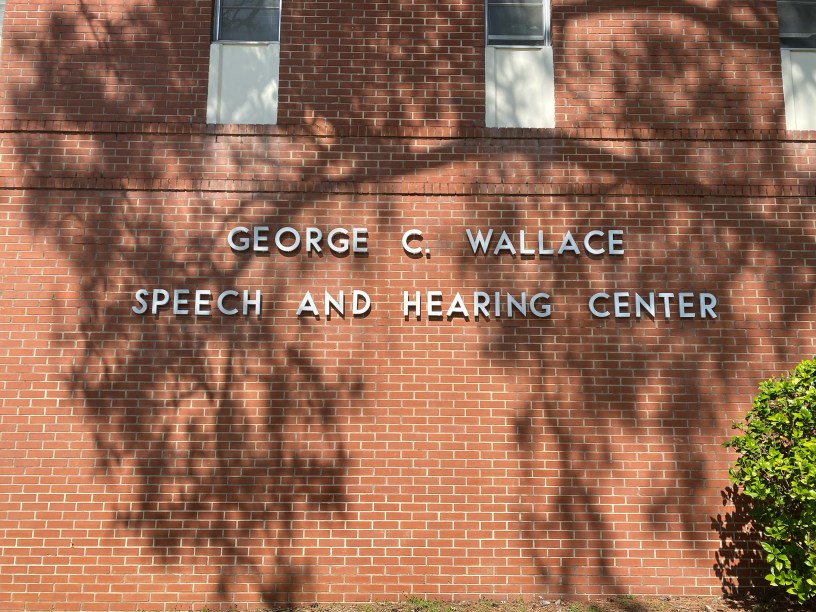
“Segregation now. Segregation tomorrow. Segregation forever.” These are the words of former Alabama governor George C. Wallace. His name is currently on the side of the University of Montevallo’s Speech and Hearing Center.
Naming Buildings
Following the rise of the Black Lives Matter movement in the summer of 2020, many cities and universities in Alabama revisited the controversial remnants of the state’s past. Dr. John Stewart, President of the University of Montevallo, appointed a working group to evaluate the names of certain buildings on campus. This group elected to remove the names of Comer Hall and Bibb-Graves Hall due to the racist past of each of those men. They did not, however, change the name of the Wallace Speech and Hearing Center.
One member of this group is Carey Heatherly, the university’s archivist. Heatherly’s main responsibility is retrieving any information the group needs. During the renaming process, the Wallace Speech and Hearing Center was on the list, but the building’s history presented challenges.
“[The building] was not named for Wallace until later,” he said. “It was named for him because he allotted quite a bit of funding to renovate sections of the building, to have a lab updated and expand the building.”
Heatherly noted that this complicated the renaming process.
“One of the things we assumed, because we couldn’t find the deliberation inside a board meeting, is that if we took the funding, the state legislature was saying we also had to put that name on the building,” he said.
The renaming of Comer and Bibb-Graves Hall was the main order of business due to the many petitions the group received. The added complications with the funding for the Speech and Hearing Center forced the group to postpone a decision regarding a name change.
Heatherly believes it is only a matter of time before the building’s name is changed.
“We can only do so much at a time and we’re aware of it,” he said. “Faculty surveys, staff surveys, and student surveys come in. The Wallace name is always on those…There are no official plans, but it’s coming. I think we all know that it’s coming at some point, so we did not overlook the Wallace name. It had to be filed into the ‘to be determined’ category because we were still looking for information and there was the need to move on the others.”
George C. Wallace
When discussing the Wallace Speech and Hearing Center, it is important to know about the man it is named for.
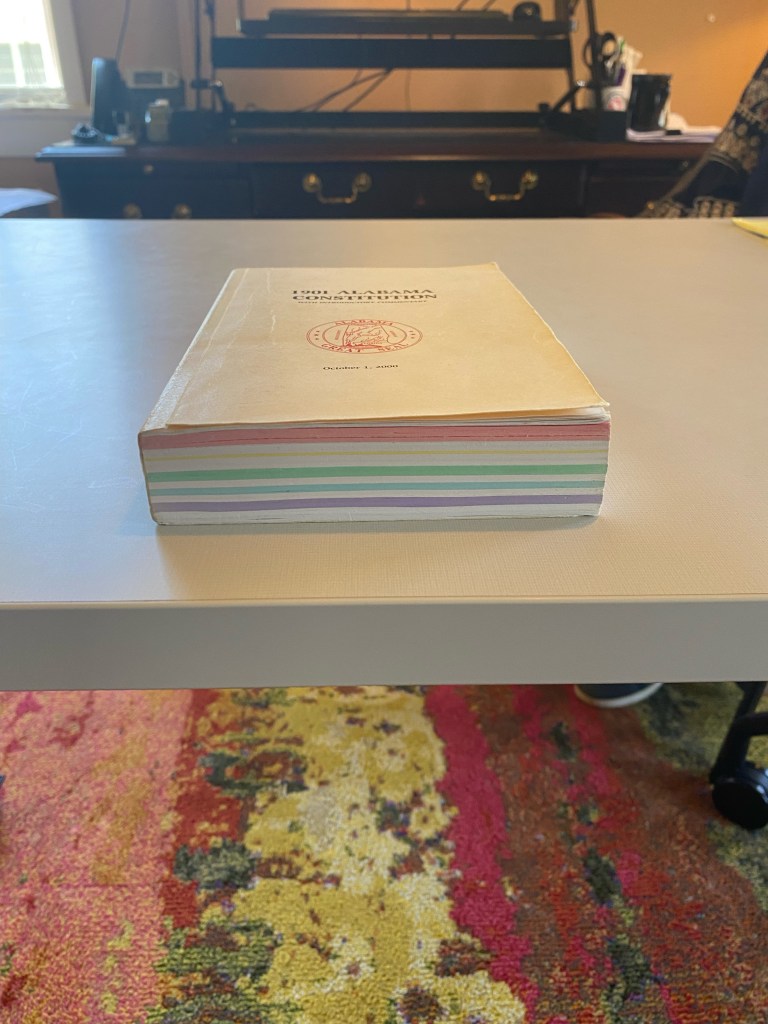
George C. Wallace became governor at a time when African-Americans had little to no political input. Countless voting restrictions outlined in the 1901 state constitution made sure that wealthy white citizens were the loudest voices heard.
Dr. Ruth Truss, a history professor at the University of Montevallo pointed out that Wallace was not always known as the man standing in the doorway of The University of Alabama.
“The actions of Wallace early on indicate that he was probably a racial moderate,” she said. “Whether or not he personally was or was not, politically he was following along in Jim Folsom’s footsteps. Jim Folsom ran afoul of Alabamians because he became too liberal for their comfort. There were several things that he did, including having a black man to dinner in the governor’s mansion.”
It was when these liberal strategies started losing elections, that Wallace pivoted his focus.
“He chose to make segregation his persona…That [was] the major plank in his platform,” said Truss. “He rode that, in my opinion, to the detriment of the state. He fostered ill feelings between the races for political gain.”
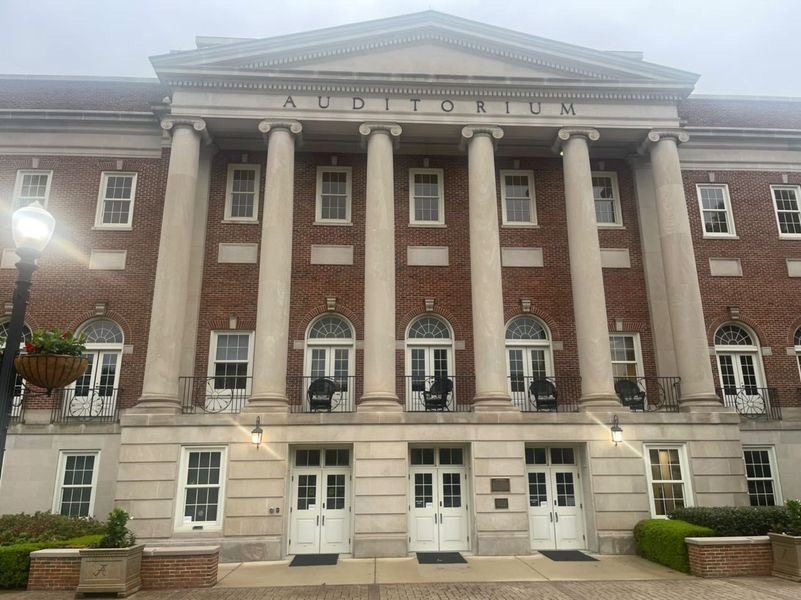
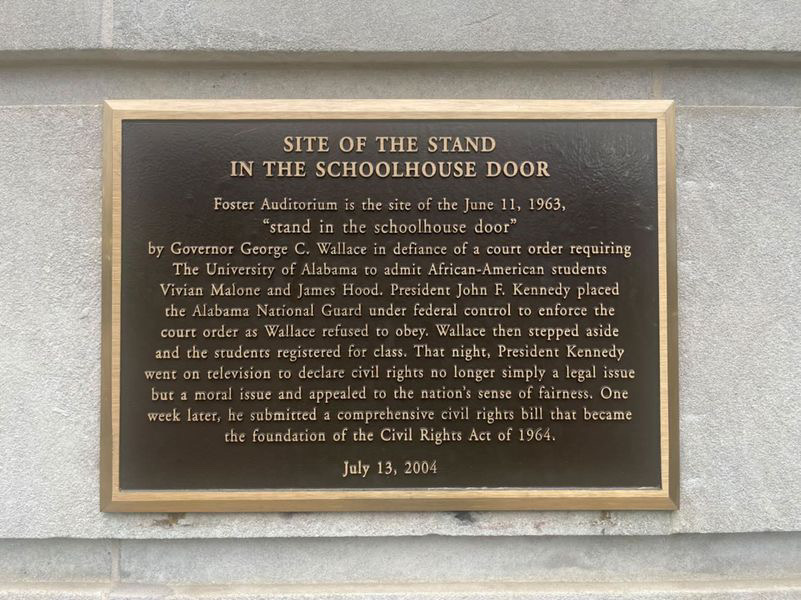
It was during this time that Wallace famously stood in front of Foster Auditorium at the University of Alabama in order to prevent black students from enrolling.
Wallace lost his position as governor after a failed bid at the presidency, but was re-elected in 1971 and again in 1983. Truss emphasized the importance of his re-elections, for he was able to appeal to a sizable number of African-Americans.
“I grew up in this period. This is about when I started paying attention to politics,” she said. “I was just stunned that the black community supported Wallace. That made no rational sense to me as a 20-year-old. Of course, it’s complicated. He brought some benefits to the black community, but he was, first and foremost, a politician, and I think most historians of Alabama history will say to the detriment of the national image of the state. In some ways that influence still lingers.”
Regarding the future of building names, Truss believes that keeping an open mind is the most important thing to do.
“That’s what people need to take away from history. Just because we’re wanting to make some changes, we’re not necessarily (though in this case we are) criticizing what somebody in the past has done. We’re just saying, ‘This is where we think we can do better. We know more. We have more of the history of more everyday people, maybe people who were not governors or senators, but people who made a difference in the community.’”
Click here to visit the Wallace Speech & Hearing Center in 360 view.
 Vallo Vision News