
By Grace O’Riley
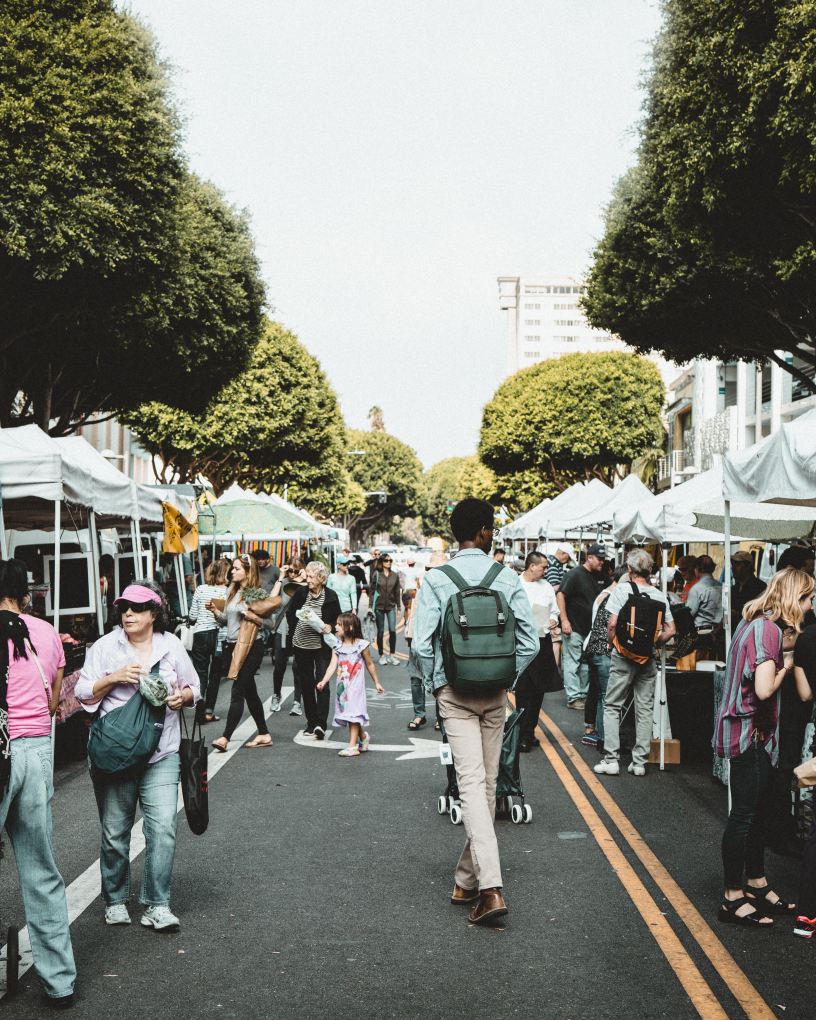
When shopping for groceries in the fall, it is easy to forget that farmers markets are just as stocked with produce as they are in springtime. While some farms in the southeast make their profit off summer harvests like peaches and tomatoes, many extend their growing season into the autumn and even year-round.
Farmers markets have long been at the frontline of community sustainability. Because farmers markets allow farmers to interact directly with their customers, they remove unnecessary third-party involvements.
Grocery chains and bulk item stores will always outprice small farm growers, but the personal charm of a Saturday morning stroll through the market can never be replaced.
It’s important to remember how impactful direct sales are to small businesses and farms. A 2017 USDA census showed that only 4% of Alabama farms sell directly to customers. Without access to a local market and consumer demand, small farms are forced to package and ship their goods. This is often too expensive or too taxing on small operations, and many farmers are forced to repurpose their land.
So how can you support your local farmers?
Shop at a farmer’s market this fall.
Seasonal Food Guide is a great source for knowing what you can expect to find in season in your area. Here are five classic fall goods.
- Pumpkins and squashes
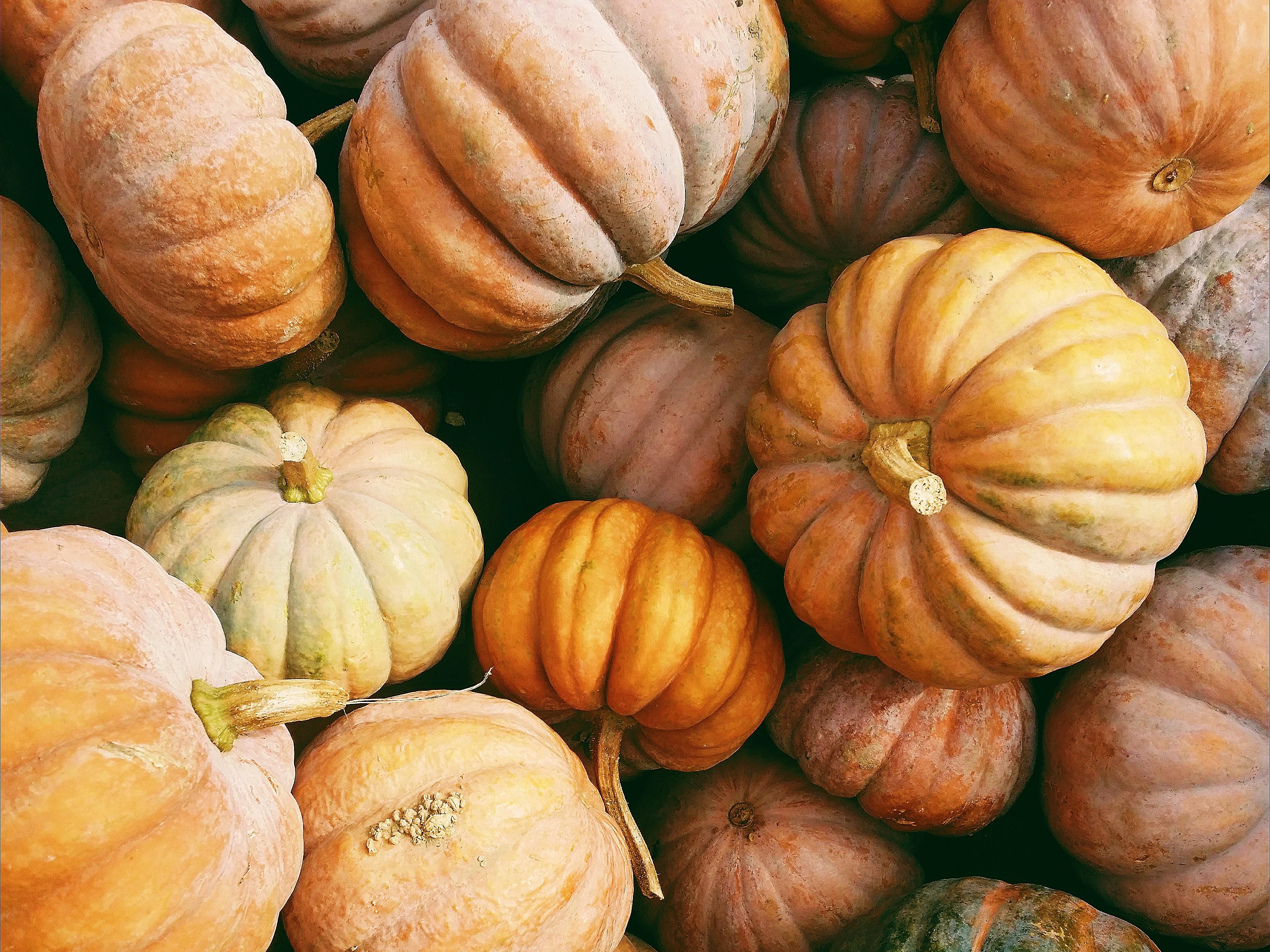
Who doesn’t love an heirloom pumpkin on their table when the cooler temperatures roll around? This year, instead of buying a bright orange pumpkin form your nearby chain store, try buying a quirky one from your local pumpkin grower.
If you are trying to get away from plastics in your decorating, turn to nature and include pumpkins and squashes into your seasonal look. As a biodegradable decoration, pumpkins are the perfect addition to any fall display. At the end of the season, they can be incorporated into compost.
While most pumpkins are edible, check with the farmer you buy from about the variety. With squashes, you can make butternut squash soup or a colorful squash bake to change your menu for the season.
2. Mushrooms
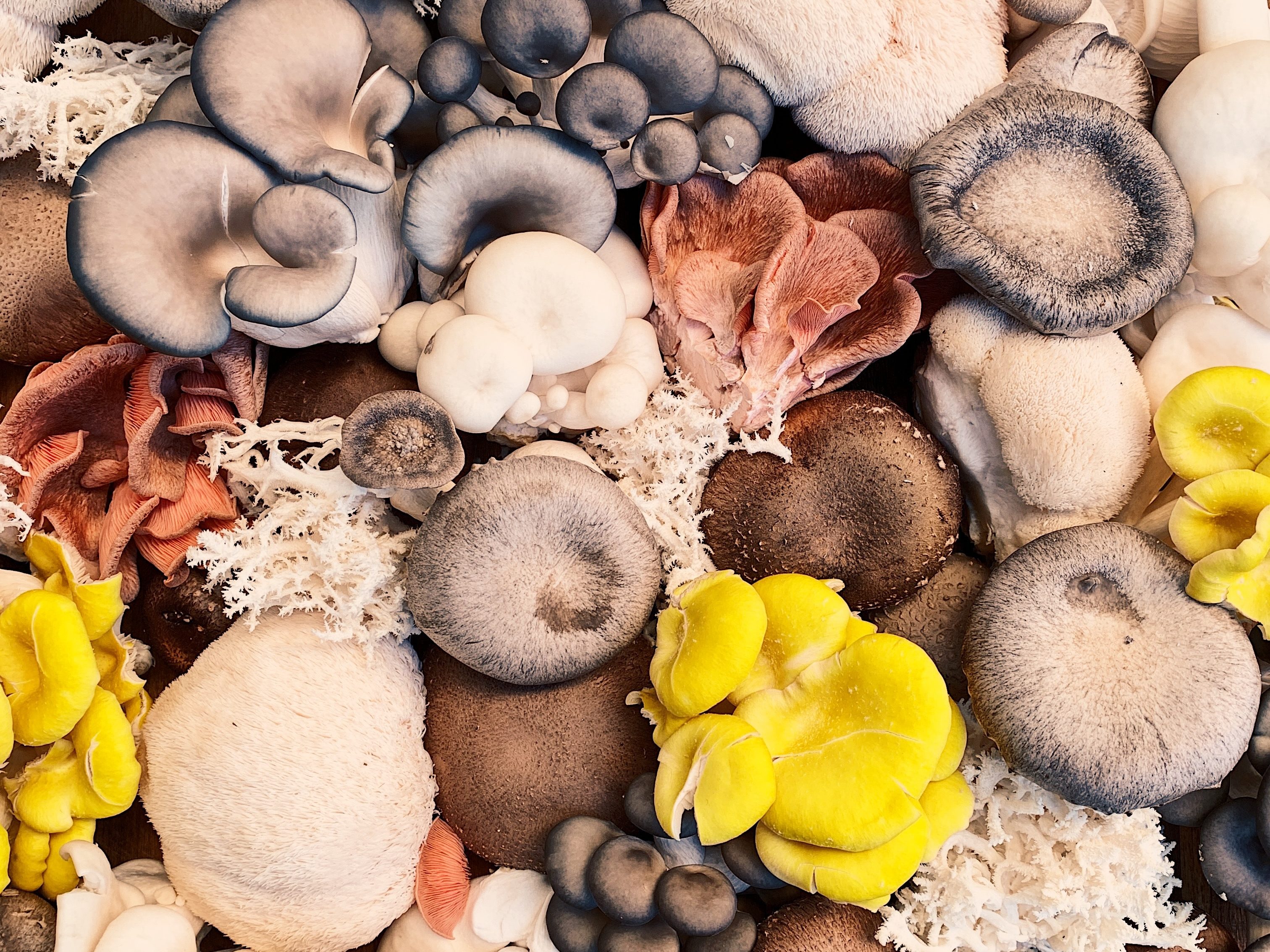
Foraged, spawned or hydro-grown, mushrooms have invaded the farmers market scene in recent years. Underrated varieties like Lion’s Mane or Chanterelles can be found, as well as beautiful homegrown Shitake and Portabella.
Near the University of Montevallo, Grandview Farm spawns and cultivates their produce in a natural, controlled way. They have a booth at The Market at Pepper Place in downtown Birmingham, Alabama, where they supply thousands of locals with fresh mushrooms every year.
While it is still safest to buy from a controlled grower, farmers markets are a great way to connect with mushroom foragers and learn the skill of identification.
3. Honey
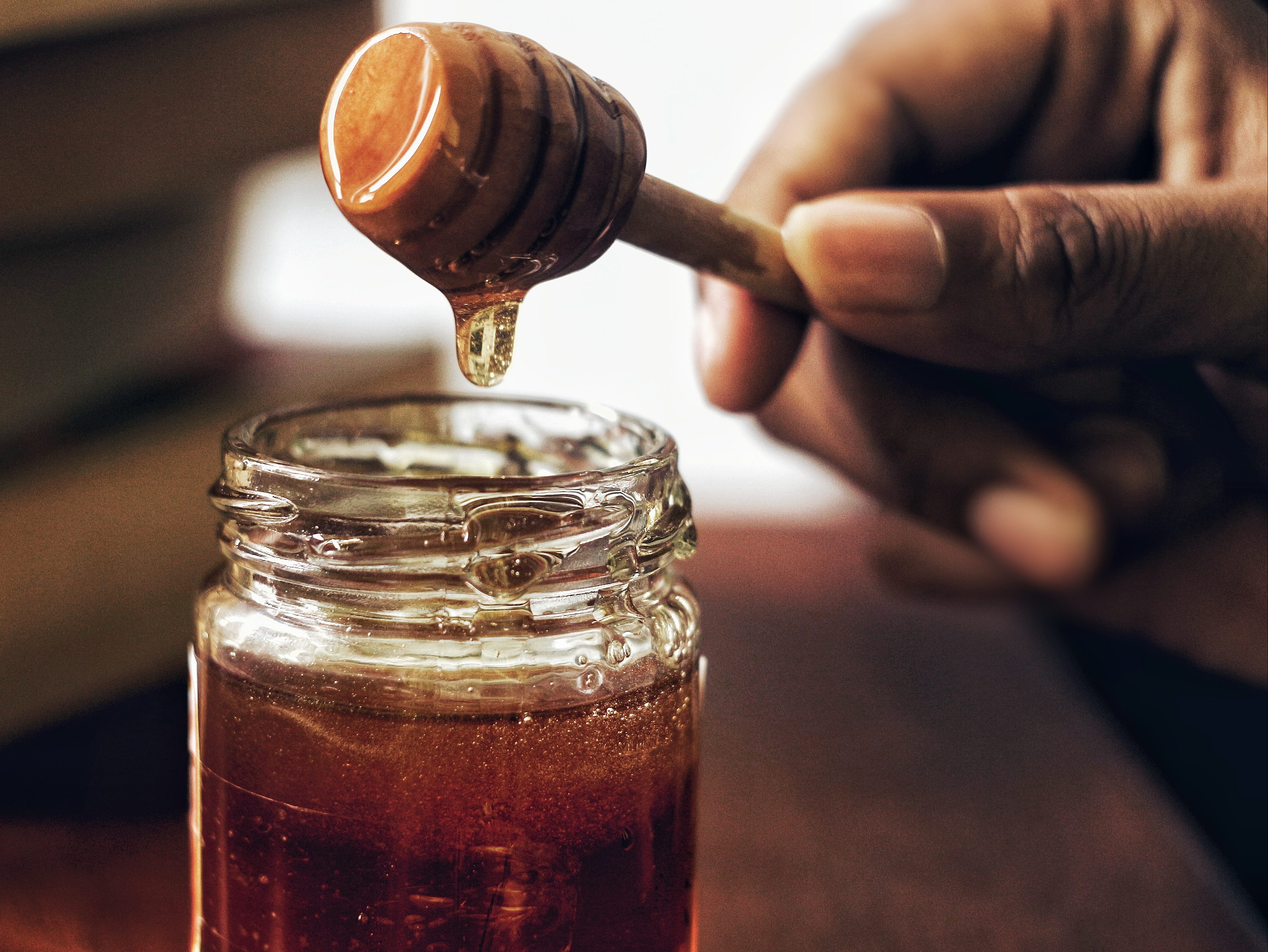
A simple change in temperature effects what flowers are in bloom, what pollen is available, and what a honey will taste like. Knowing your beekeeper is the best way to anticipate the flavor of the honey you are buying.
With a generous shelf life, most markets carry honey well into the winter.
Pick some up at your next visit and incorporate it into your fall baking or cocktails.
4. Bread
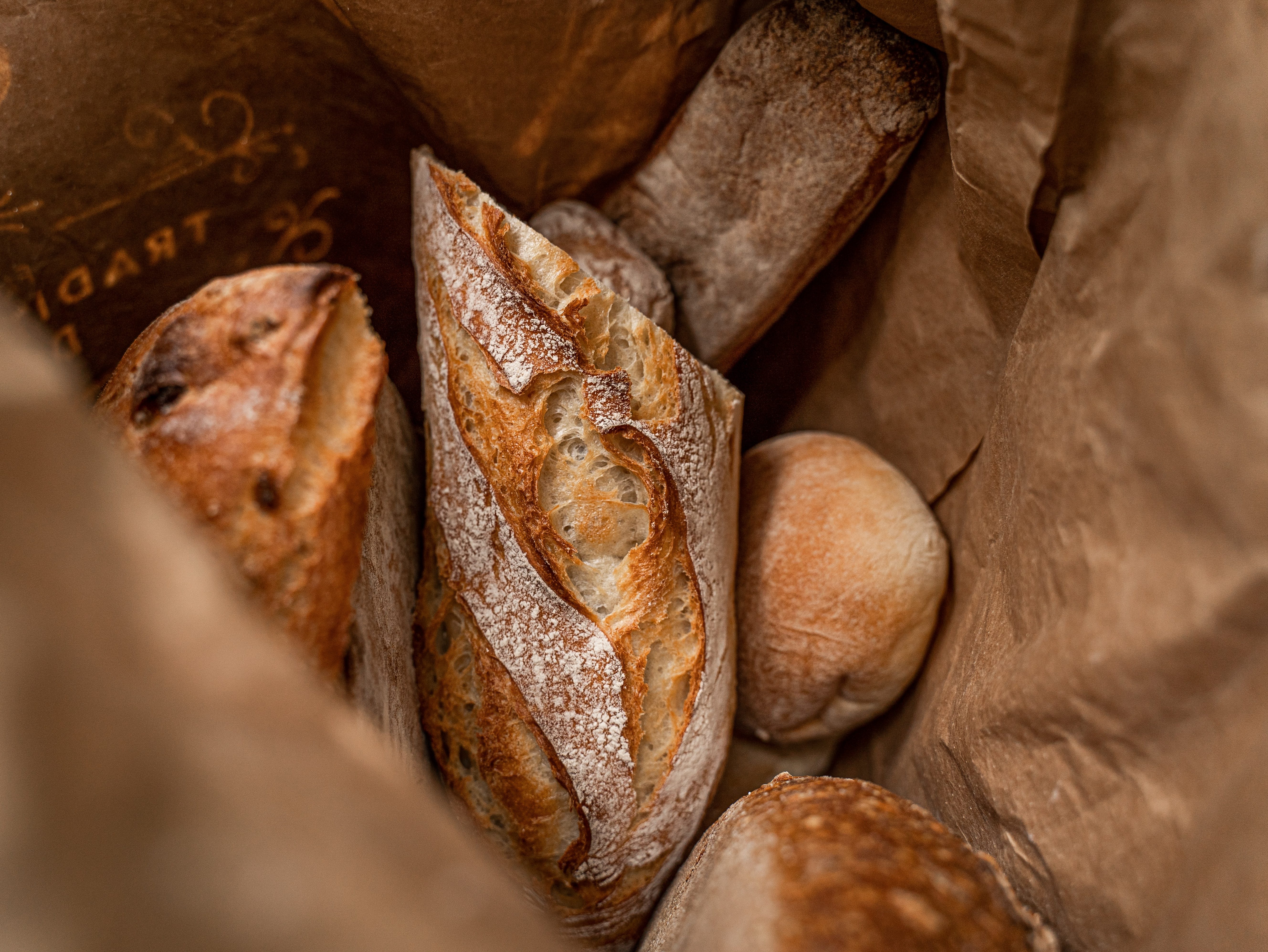
While not technically a produce, homemade bread is a novelty of local markets.
With artesian loaves like rosemary and olive or European style breads like focaccia and baguette, there is always an excuse to grab an assortment for the coming week. With quality butter, a good bread can elevate any meal.
Most people don’t have time for sourdough making at home. Baking bread is romantic, but time consuming. Buying your breads at a market is a time efficient way to still enjoy the romance without the stress.
Additionally, most beadmakers have an assortment of pastry items for you to grab a quick breakfast while you walk around and shop.
5. Cabbage and kales
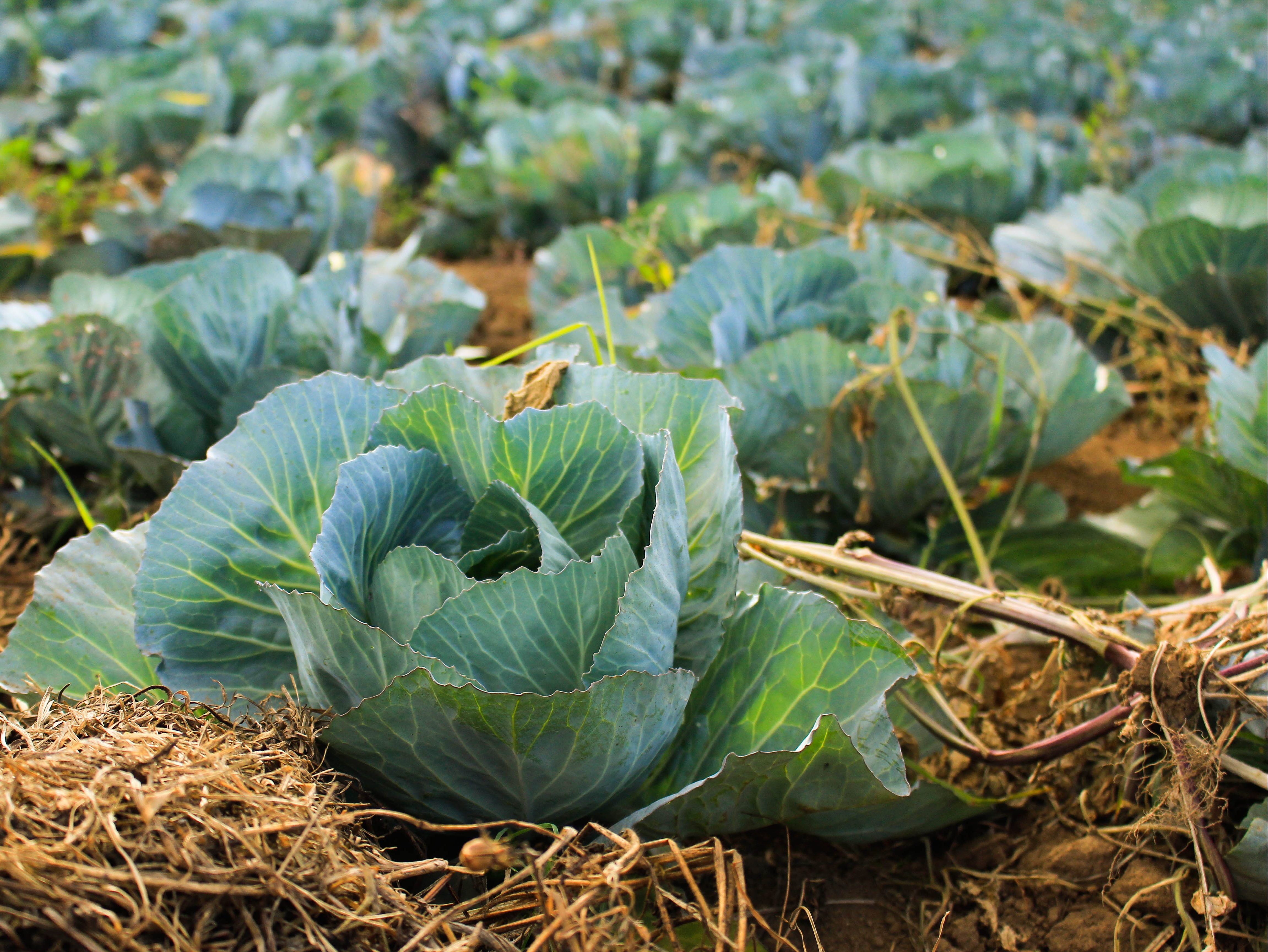
The most cold tolerant of all greens, kales and cabbages are a wonderful addition to any kitchen. High in folate and Vit C, kale is a natural way to boost your immune system.
Autumn is sometimes a difficult season to include raw vegetables into your diet. While it is good to listen to your body and transition from summer salads, remember raw vegetables supply much of the body’s micronutrients. Consider making a hearty slaw instead with kale, pumpkin seeds, cranberries and feta cheese.
Don’t let the change in season effect your attitude towards fresh, local produce.
As menus change for fall, so should grocery lists.
Consider how you can visit a local market more regularly this season.
If you are not are not sure what is available in your area, visit the Alabama Department of Agricultural Industries directory to discover your local markets.
 Vallo Vision News