
By: Juria Mulbah
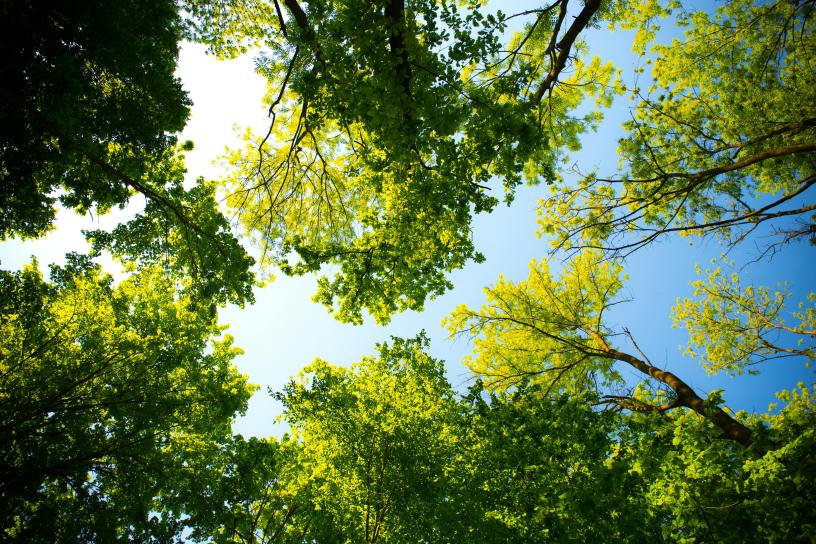
MONTEVALLO, Ala. — Alabama is one of the most biodiverse states in the country. With more than 23 million acres of forests, nearly 70% of the state is covered by a variety of trees. Alabama is located where there is a lot of sunlight and has a relatively long growing season for organisms. Wherever you go in Alabama, trees are plentiful and create beautiful scenery. That’s what I noticed as I went out on walks. The list are the trees I commonly see and ones I would love to travel and see in Alabama. Enjoy the fun facts and the diversity Alabama offers.
Longleaf Pine (Pinus palustris)

First is Alabama’s state tree. The trees have needlike leaves and the ones in maturity can stand from 80 feet to 100 feet. The tree is known for its durability against strong winds and pests. It was commonly sought for its durable lumber for timber and ship building causing a decrease in its population. Today, people plant faster-growing trees for production purposes. The loblolly pine replaced Longleaf Pine in terms of population. This tree is inhabited by endangered red-cockaded woodpeckers and indigo snakes. Found in the Southeastern and central part of Alabama.
Eastern Red Cedar (Juniperus virginiana)

These cedars are extremely tolerant of drastic temperatures, and different types of soils like poor dry soil, alkaline soil and swampland. It grows slowly and lives between 100 years to 300 years. The blue fruits become a source of food for many creatures. The female tree bears the blue fruits. The male tree does not bear fruit and has pollen-bearing cones on its branch tips. This tree produces fragrant oil which is and was a good source for a natural insect repellent and to minimize odors. It has become less commonly used, but it is used as a Christmas tree. They are found mostly in the Northern part of Alabama.
Butternut (Juglans cinerea)
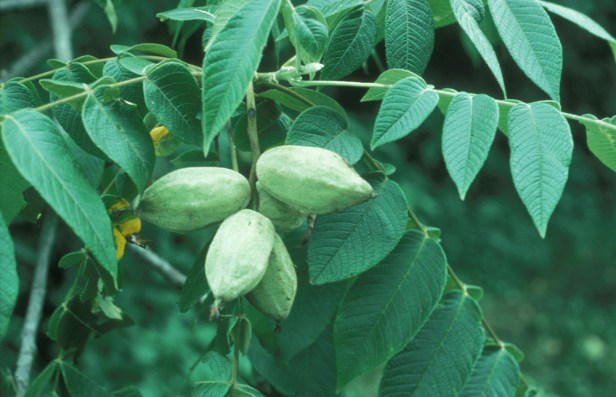
It is rare in Alabama and can only be found in the northern part of the state. The butternut is decreasing due to the butternut canker, a fungal disease. The fungus causes the branch and stem to die. It grows on well-drained soils of hillsides and streambanks in mixed hardwood forests. Not only is the population being threatened, it has a relatively short lifespan of 75 years. The butternut tree grows both male and female structures on the same tree making it a monoecious tree. Its nuts mature between September and October. The nuts are commonly used in New England for making maple-butternut candy.
River Birch (Betula nigra)
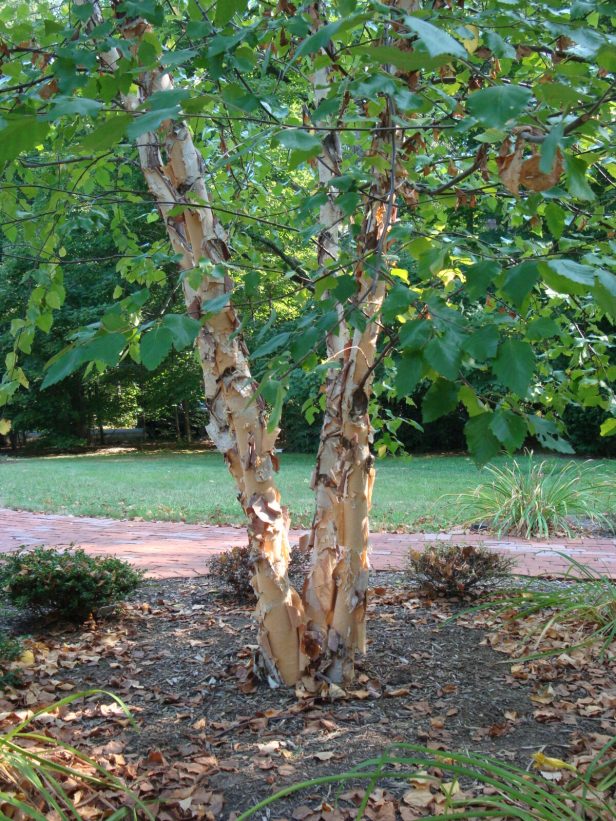
The only spring-fruiting birch. Prince Maximilian, Emperor of Mexico, thought the river birch was the most beautiful of American trees when he toured North America in the early 1830s. Native to the eastern U.S. and found in river or stream floodplains, forests, and shores of rivers and lakes. These trees are often used for erosion control and to reclaim areas that have high soil acidity caused by mining. Indigenous people used the bark medicinally to help with stomach pain and chewed leaves for antidiarrheal and a cold remedy. Found throughout all of Alabama.
Eastern Cottonwood (Populus deltoides)
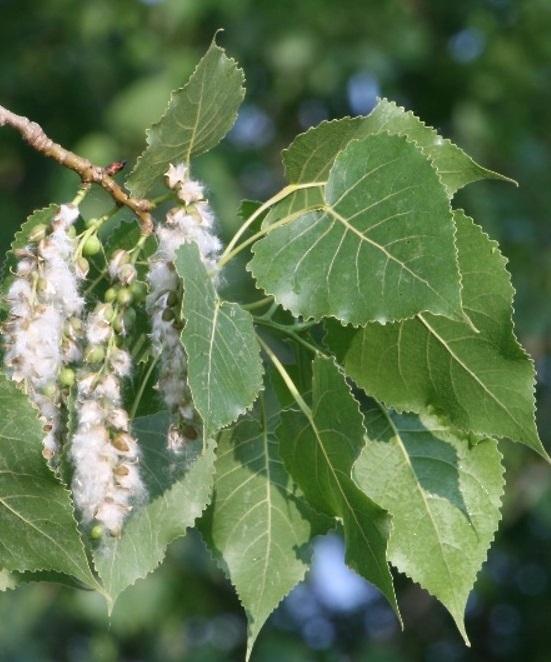
Its characteristics is that it grows cotton-like clusters of white hair that hang from the tree. It is a fast-growing tree and used for wind-breaks. It is used as plywood, even though it is soft compared to other hardwoods. Found along rivers and large enough creeks throughout Alabama.
 Vallo Vision News