
Story By: Madison Smith
MONTEVALLO, Ala. – Every aspiring performer dreams of hitting the Great White Way, but only a few have what it takes to tackle Broadway’s most demanding show tunes. According to several Broadway sources, each piece brings its own unique challenges, from vocal range to emotional depth. While every piece has its challenges, that shouldn’t stop performers from finding a solo that fits their voice and personality. Whether you’re a seasoned singer or stepping into the spotlight for the first time, this list highlights some of Broadway’s most demanding, but rewarding solos to consider.
“(Not) Getting Married Today” from “Company”
This piece is a challenge in the way that it is uniquely Sondheim. It’s fast paced, witty and meticulously crafted for a master of comedy. The sheer number of lyrics packed into such brief musical phrases demands precision and crystal clear diction. Even one missed consonant can lead to the audience losing the rapid fire humor woven throughout the song. “Getting Married Today” is one of the fastest Broadway solos and easily shows off the technical prowess of the soloist, and it is sure to stand out in any performance.
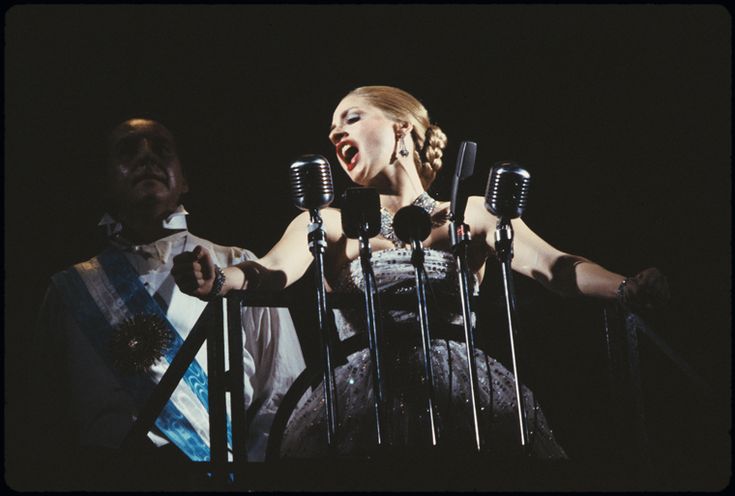
“Rainbow High” from “Evita”
This song is relatively short and can serve as an excellent cut for an audition if the vocalist is up to the challenge. The piece features several key changes and vocal consistency that demand a healthy mix of the vocalist’s chest and head voice.
“Rainbow High” was originally sung by Broadway legend, Pattie Lupone, who notably said her experience while tackling this musical as a “trial by fire” and that “every night I went on stage in terror.” Any vocalist attempting this piece should approach it with discipline.
“Gethsemane (I Only Want to Say)” from “Jesus Christ Superstar”
While Broadway loves to challenge their female vocalists, the male leads are no strangers to challenging and ridiculously showstopping solos as well.
“Jesus Christ Superstar” is a “rock opera” type musical that features a lot of rock screaming influences in the vocal parts, making it very challenging for a classically trained Broadway vocalist.
“Gethsemane” explores the inner conflict of the musical version of Jesus. The piece requires deep vulnerability and a full commitment from the actor to portray Jesus to the audience as a more human figure. Detaching from the divine characterization previously established earlier in the production.
“The Phantom of the Opera” from “The Phantom of the Opera”
Debuting in 1988, “The Phantom of the Opera” strategically uses the entertainment of contemporary Broadway and fuses it with Romantic Opera technique.
While any song from this production could be deemed as challenging for even seasoned performers, the title of most difficult arguably must go to the title song “Phantom of the Opera.”
This piece features both a male tenor vocalist and soprano leading lady. Both singers must be harmonically compatible and feed into the passion charging the song at its core.
The piece features several key changes, keeping the vocalists constantly on their toes. The piece begins in D minor and shifts to G minor, E minor, F# minor and finally G# minor as if the writer wanted to test the singers just for the fun of it.
“Glitter and Be Gay” from “Candide”
This piece challenges even seasoned vocalists to give everything they have and then some. This comedic operetta aria is unique in the sense that it is not a “standard” Broadway showstopper, requiring almost a classical approach. “Glitter and Be Gay” is roughly six minutes and the performer will move from fluid legato phrasing to notes soaring as high as an E6.
Beyond the intense vocal demands, the number requires intense physicality on stage. From leaping onto furniture and tossing jewelry across the set, proper breath support and control are nonnegotiable for delivering this showstopper successfully.
A true demonstration of vocal prowess and discipline comes from Kristin Chenoweth’s live performance of “Glitter and be Gay.” Chenoweth brings her usual comedic charm to captivate the audience, and then truly brings the house down with her technique and style. For any vocalist approaching this piece, this would be a great example to base your approach on.
Finding Your Song
It may seem daunting to take on such challenging pieces, but according to professional accompanist Ty Thornton, who has been writing, arranging and accompanying for 30 years, true mastery lies not in the complexity of the music but in the performer themselves.
“Besides being vocally strong and confident, be a good actor. Getting into the character, becoming the character, and pulling the audience in with you in the process of the story. So that the song becomes part of the story. “
“Besides being vocally strong and confident, be a good actor. Getting into the character, becoming the character, and pulling the audience in with you in the process of the story. So that the song becomes part of the story. ”
– Ty Thornton, Choral Director and professional accompanist (Southminster Presbyterian Church)
Whether you’re a trained vocalist or an aspiring performer, finding the right song can seem daunting. If you want to stand out and are up for the challenge, the hardest Broadway solos can showcase your technique and storytelling. These songs require focus and a deeper understanding of the character.
With that challenge comes a reward. Tackling a piece like “Gethsemane” or “Rainbow High” doesn’t just test your voice; it showcases your ability to connect with an audience.
 Vallo Vision News
What about “The ballad of Jane Doe”?
LikeLike