
What to Know After a Diagnosis
By: Hannah Bazinaw
Attention Deficit Hyperactive Disorder is a neurological disorder that makes it difficult to pay attention and use impulse control. ADHD is usually first observed in children but can be diagnosed in adults as well. In total, 8.8% of children in the U.S. are diagnosed with ADHD.
There are three subsections of ADHD: inattentive presentation, hyperactive-impulsive presentation and combined presentation.
ADHD has been surrounded by stigma. Some people claim ADHD is an excuse for bad children instead of a real disorder, even though there are studies on how the ADHD brain works.
Social Behaviors
Behavioral problems are common symptoms of ADHD. Children with ADHD often struggle with reading social cues and using their brain’s executive function. They often struggle to make friends.
Some of the things ADHD children may struggle with are sharing, taking over conversations and processing complicated emotions. As a result, children with ADHD can be isolated by their peers and struggle to learn social skills.
ADHD is commonly missed in girls. Boys are diagnosed at a rate of 11.7%, while only 5.7% of girls receive a diagnosis.

There are many reasons this could be. One theory is that girls are better at balancing their impulsivity because of social pressure. Another is that they tend to express their hyperactivity in different ways, such as being talkative.
Because their symptoms are presented differently from boys, girls often go longer without a diagnosis or never receive one.
Treatments
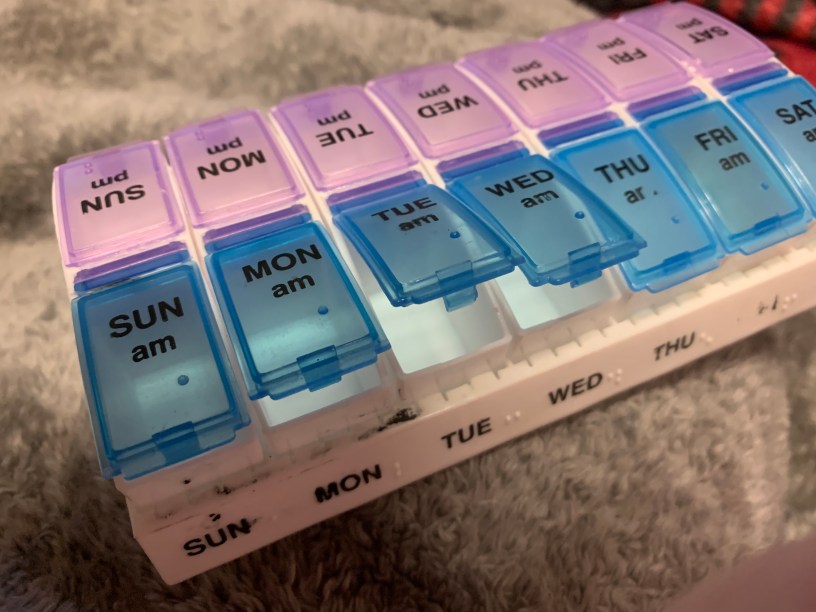
Treatments for ADHD include behavioral therapy and medication. Behavioral therapy includes therapists coaching children with ADHD. With time, children can improve their social skills and emotional regulation.
The most commonly used ADHD medications are amphetamines, such as Adderall and Vyvanse. These medications cause the brain to produce extra dopamine. When taken by someone with ADHD, it has a calming and focusing effect. If they’re taken by someone who doesn’t have ADHD, it can create an addictive high.
ADHD is not curable, but it is treatable with the right knowledge.
 Vallo Vision News