
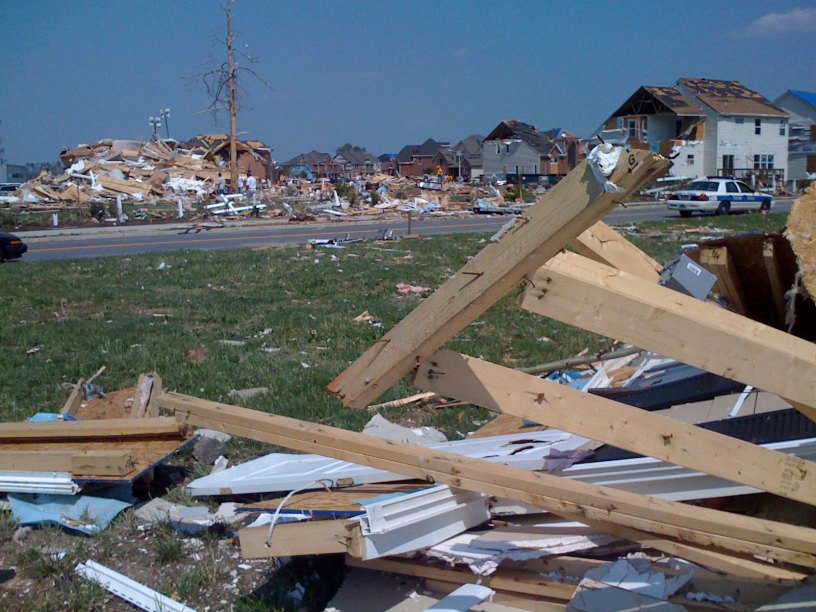
Flickr image found under creative commons license; photo courtesy: rbeard113
By: Jayden Presley, Vallo Vision News
The historic tornado outbreak of April 27, 2011 marked the day when an estimated 360 tornadoes touched down across 26 states. Alabama suffered the most damage, the tornado path cutting across over 1,200 miles of land and claiming 253 lives.
The national death count sits at 348 people, and this year is the 11th anniversary of the deadliest tornado outbreak in U.S. history.
Storms occurred periodically that April, leading up to the final week. Wednesday morning on the 27th, Weather Service radio transmitters were knocked down and about one million people in Alabama lost power. Experts say it is one of the reasons people were unable to receive warnings and get to safety.
Alabama landscapes are still affected today. President Barack Obama declared a federal state of emergency for Alabama and visited on April 29, 2011 to survey the damage.
For more information about the timeline leading up to the tornado outbreak of April 27, 2011, read this article here.

UM freshman Kirsten Scoggins lived in Oak Grove, Alabama at the time. An English major, Scoggins says she was 9 years old when she lost her grandfather, Ernie Mundi, on April 27th.
“It was real calm that day. We actually have a storm shelter in my house, so my aunt, my uncle and my two cousins, who lived 10 minutes away, came over that day since they didn’t have a storm shelter,” Scoggins said.
The power outage also affected her family, so her aunt, uncle and cousins had to stay with them for a couple of weeks.
“Luckily, our house didn’t get hit, but I remember there being a bunch of debris and wood and even toys. I know there was a baby doll inside our yard the next morning,” she said.
She says Mundi owned a convenience store in Concord, Alabama, which is where a tornado caused heavy damage. His sister-in-law lived across the street from the convenience store, so when the weather became severe, she tried to convince him to stay at her house and not the store.
“He was never scared of bad weather,” Scoggins said.
Mundi went to his sister-in-law’s house across the street from the store and stayed upstairs watching the weather.
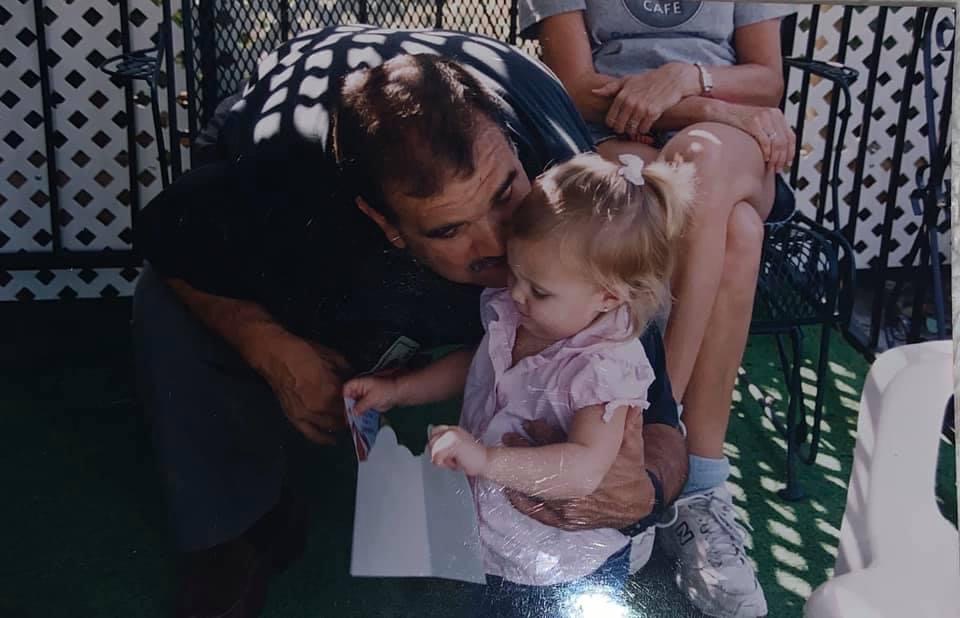
“Her house got taken down and that’s how he passed away. He just wasn’t in the shelter, wasn’t scared of tornadoes. That’s why we’re a big advocate of storms now, because none of us were really scared of storms until we had somebody pass away from a storm,” said Scoggins.
The tornado blew the whole house away except for the downstairs bathroom, which is where his sister-in-law was with her two dogs.
“It made my whole family realize that storm safety is a real thing, especially where we live,” said Scoggins. “We realized we are right in the middle where storms love to hit. That day impacted us, because now we know what to do during storms and how seriously to take them.”
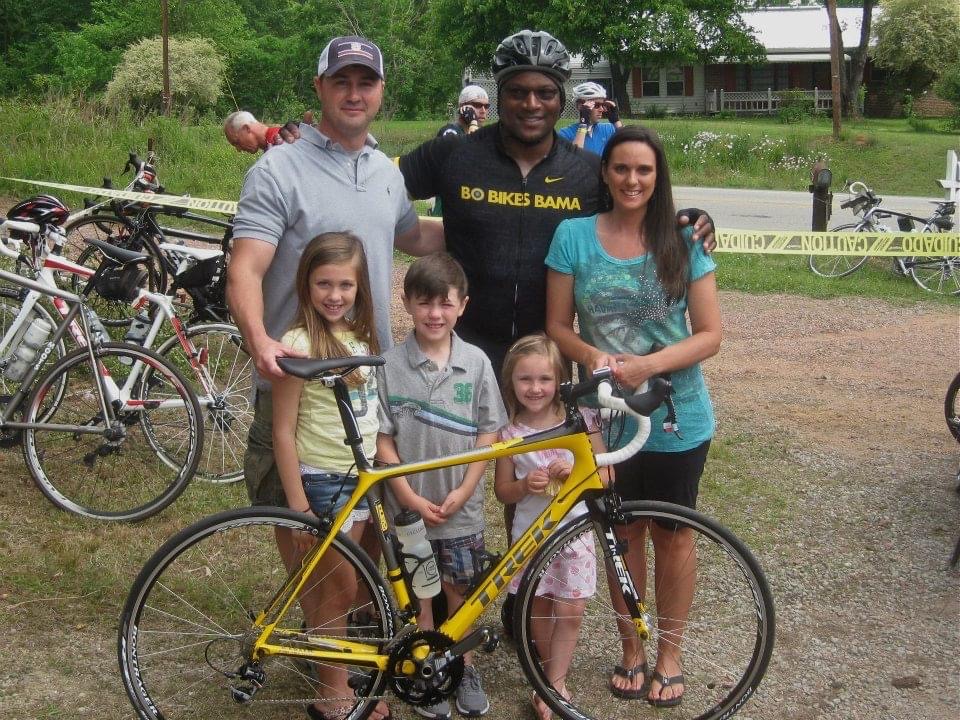
She still lives with her family in Oak Grove today, and they participate in the Bo Bikes Bama charity, which honors the victims of the tornado outbreak. Sports legend Bo Jackson is an Alabama native who started the charity a year after the devastation.
Mundi’s name is memorialized on one of the bikes for the bike ride. The event raises money for the Governor’s Emergency Relief Fund to provide disaster and emergency management resources for the state of Alabama.
Another UM student lived in Tuscaloosa during the storms, which was another prominent area of tornado activity and damage.
Junior mass communication major Esclavon Prewitt lived in the east side of the city where the tornado hit hardest. His family went to his grandparents’ house since it was safer, and they took cover in the hallway.
“All the power cut out. Everything cut out. All my family were scurrying in the hallway to get where I was, and we all sat there because it was coming toward our way. The next thing you know, we heard it. It sounded like a train or something coming above us. It lasted for about two or three minutes,” he said.
When the storm cleared, he says he went outside and saw trees and garbage cans knocked over, along with damaged houses.
Prewitt said, “I remember throughout the next few days, the National Guard came in and gave us a curfew. We couldn’t go to certain parts of the city. We were out of power for weeks.”
He says a tree fell on his aunt’s house, causing her to be stuck inside for two days.
“It was hectic. People were looting. I remember going outside and seeing [people] with baskets going to the dollar stores and looting it,” he said.
Even now as he lives in Montevallo, the first time he hears a siren, he goes to the shelter. He says people need to take precautions and be weather aware even before hearing the sirens.
“At a young age, you don’t really understand. As you get older, you kinda look back on those days and realize anything could happen. Let me tell you, now anytime I hear anything about a tornado, my heart starts racing, and I take it more seriously than other people take it,” Prewitt said.
Montevallo holds several storm shelter locations for tornado activity, and all UM campus dorms have designated safe areas. Storm shelter locations include Stephen’s Park and the Center of Fine Arts on UM’s campus.
 Vallo Vision News