

By: Lily McCormick
The ongoing story at Ebenezer Swamp has left many confused about the importance of the area and exactly how proposed residential and commercial developments near the swamp could be detrimental to its sensitive ecosystem.
Advocates for protecting the swamp say the issue isn’t just about not wanting to see land near the swamp developed. Their main concern is how the buildings, roads, parking lots and driveways will change how water–especially rainwater–is absorbed into the ground.
At the most recent Alabaster City Council meeting, many residents felt frustrated with the lack of response from the council regarding the development plans.
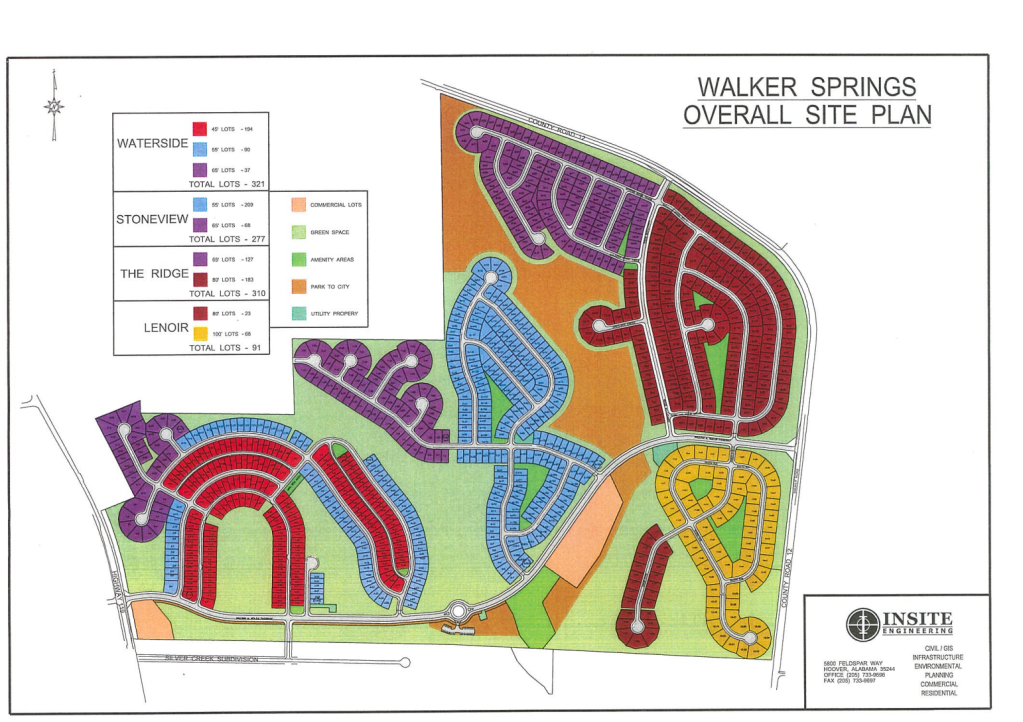
During the council meeting on Nov. 14, the public had the opportunity to comment on the plan for a residential neighborhood, Walker Springs. The only person who spoke in favor of the amended plan was Newcastle Home’s engineer. Meanwhile, 12 people voice their opposition to the plan.
This is similar to the previous meeting where the only person who spoke in favor of the commercial development was a spokesperson for the Bruno Property Trust, the company wanting to build on the land.
Many Alabaster residents brought up the fear of flooding in the area brought on by impervious surfaces. This has been increased by the Bruno Trust Development, which has proposed developing 45 acres for commercial use.
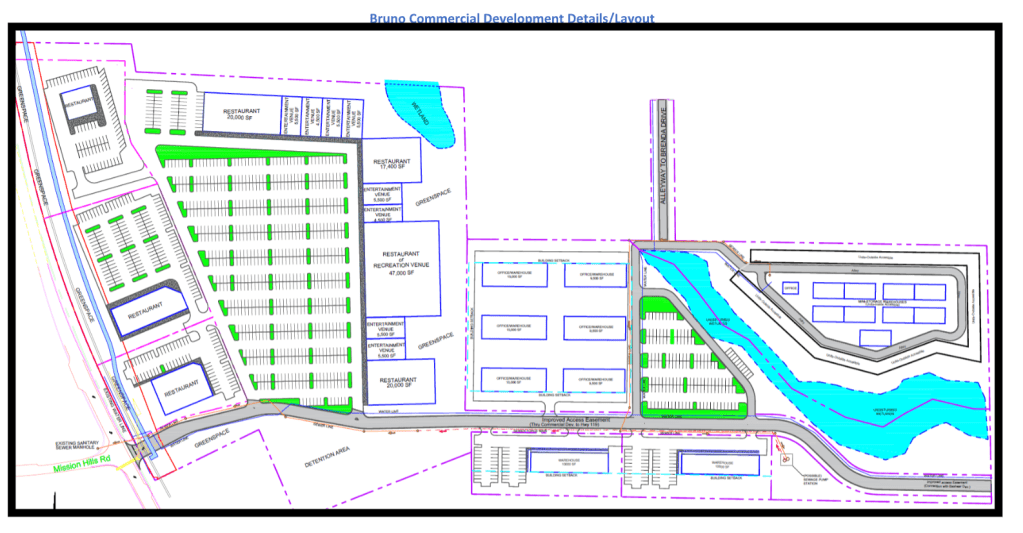
“While the commercial development is smaller, there is a greater percentage of impervious surfaces being used because when you create a commercial development its usually just big stores and big parking lots compared to a residential development that has lawns and green spaces between houses,” said Dr. Susan Caplow, associate professor of Environmental Science at the University of Montevallo.
Impervious surfaces include parking lots, rooftops and highways. Water is unable to penetrate these surfaces the same way it can with grass or soil.
“A significant portion of rainfall in forested watersheds is absorbed into soils (infiltration), is stored as groundwater, and is slowly discharged to streams through seeps and springs,” United States Geological Survey explains on its website. “Flooding is less significant in these conditions because some of the runoff during a storm is absorbed into the ground, thus lessening the amount of runoff into a stream during the storm.”
With less soil to soak up water, the area around both developments could see more flooding. Those floodwaters could also damage Ebenezer Swamp’s ecosystem.
Ebenezer Swamp is also a part of the Cahaba River Watershed. The Cahaba River is known for its diversity in plant and animal species, but also for its sensitivity to pollution and human interaction. The diversity of the Cahaba River’s fish population is greater than any other temperate river its size, according to the Cahaba River Watershed’s website.
Ebenezer Swamp is home to trees such as Tupelo gum, sycamore and tulip trees. Many animal species call the swamp home, including beavers, great blue herons, opossums and freshwater clams.
Freshwater wetlands like the swamp make up a very small smaller percentage of the earth’s surface, and many of its inhabitants are only found in these specific areas. This makes protecting it even more important, as many would not survive if the swamp becomes damaged.
For more information visit the Environmental Protection Agency’s page on Wetlands.
 Vallo Vision News