
Story By: Rachel Raiford
Mobility is required for everyday living such as strength, balance, coordination, and range of motion. Without mobility, moving through the day becomes uncomfortable and difficult.
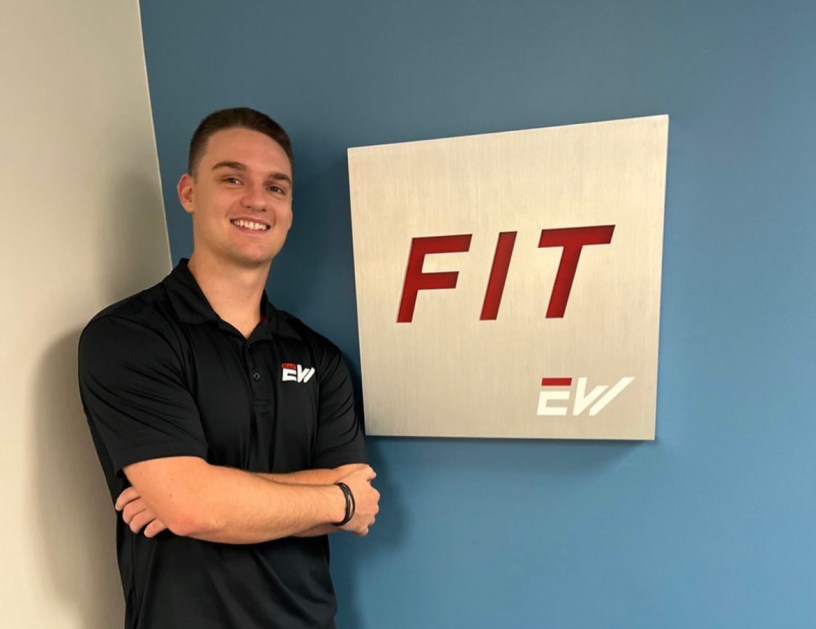
Motion Specialist Alex Smith, at EW Motion Therapy in Homewood, says it is important to practice mobility, even if you’re not extremely active.
“You can think you’re as coordinated as you want, but it’s like driving without the wheels – you won’t get very far,” said Smith. “If you aren’t active, you won’t be able to move efficiently enough to support your body.”
The importance of mobility becomes quite clear when it becomes difficult to accomplish daily tasks such as walking up stairs, showering, and even getting out of bed in the morning. Smith explained that the elderly have an especially hard time with this.
“Our demographic is older, and the reason for that is because you don’t begin to realize how important it is to be able to do simple things until you lose those capabilities,” said Smith.
At EW Motion Therapy, they focus on rehabilitation and physical therapy. The motion specialists work closely with the physical therapists to ensure their clients are getting the best possible care for whatever their conditions may be. Smith explained they focus on the fundamentals of moving, like how you learned as a child.
“What do you learn as a child? Crawling on all fours. For an older person, we basically reteach them how to do these things through mobility,” said Smith. “We start them at ground zero, with a lot of floor work, and build them back up.”
So how can you practice this at home? Smith walked through five basic exercises to strengthen mobility in the back using no equipment, just your body.
Lumbar spine
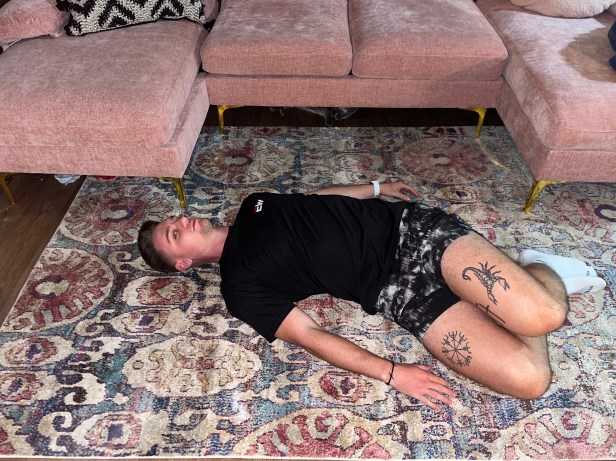
- Lumbar rotation
For this exercise, you lay on the floor, keeping your back flat. Keep your knees together in a bent position and allow them to fall to either side.
“This exercise will rotate your lumbar spine and really open it up,” said Smith.
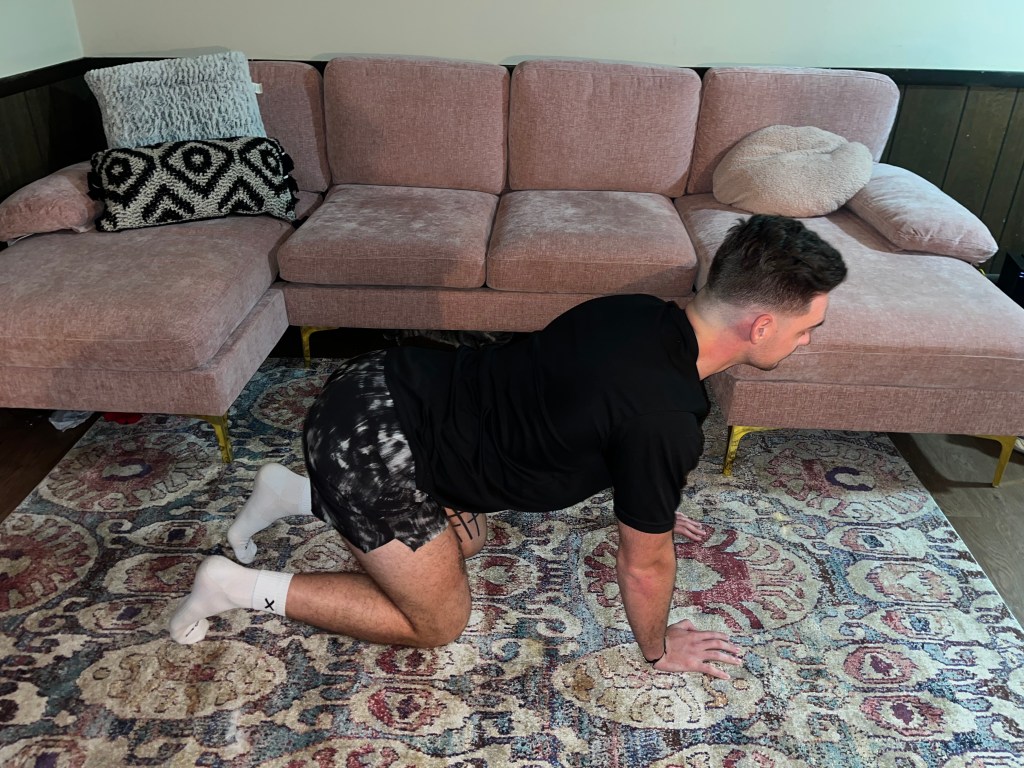
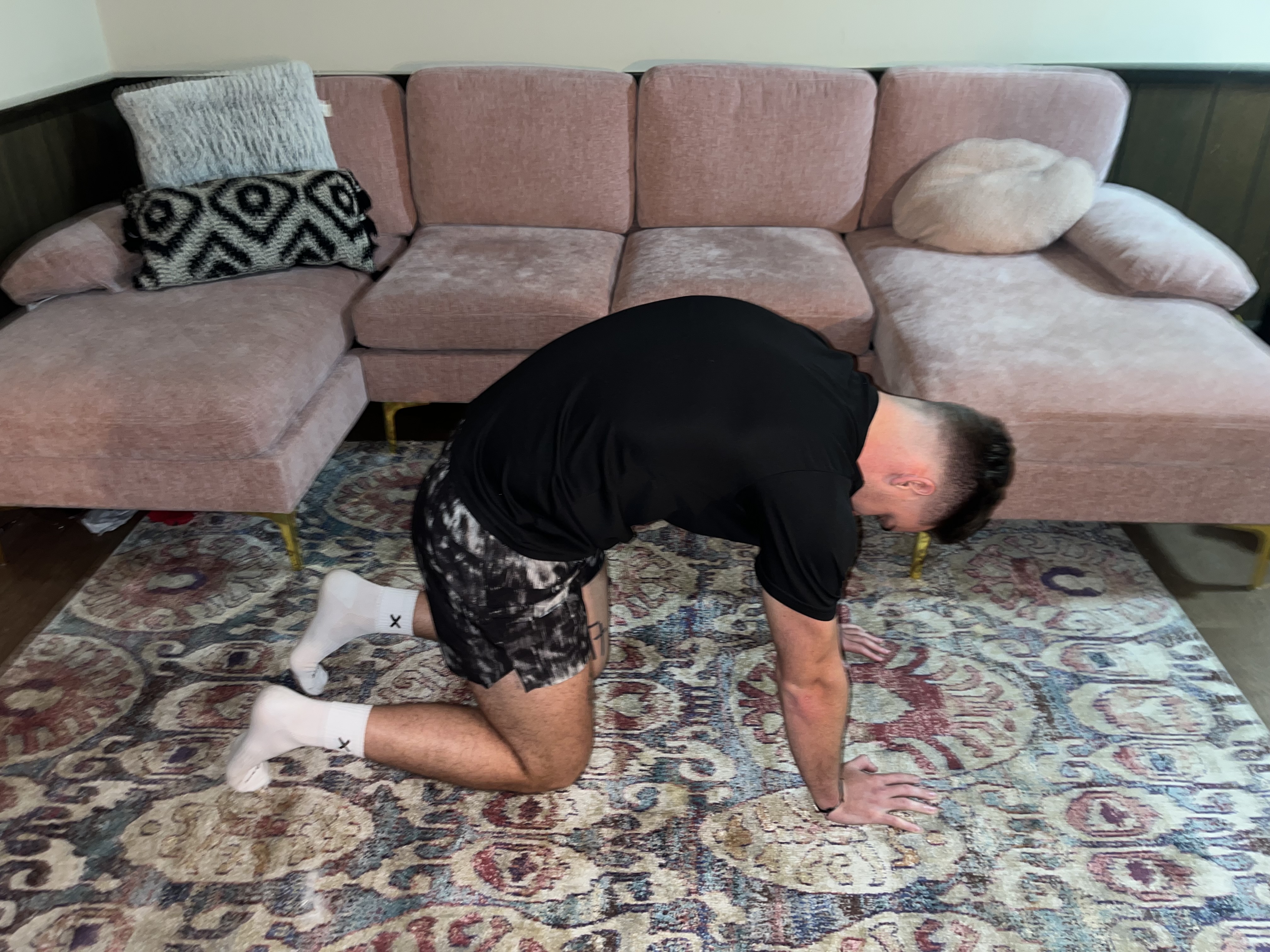
- Cat/Cow
For this exercise you will be on all fours, in a quadruped position. You let your lower back sink in, breathe in as you allow your back to come down into the “cow” position. To move into the top of the movement, you’ll breathe out, suck the stomach in, and round the back into the “cat” position.
“The cat position puts your lumbar spine in a flexion state, so for this movement you’re just softly pulling your lumbar spine into extension and flexion,” said Smith.
Thoracic spine
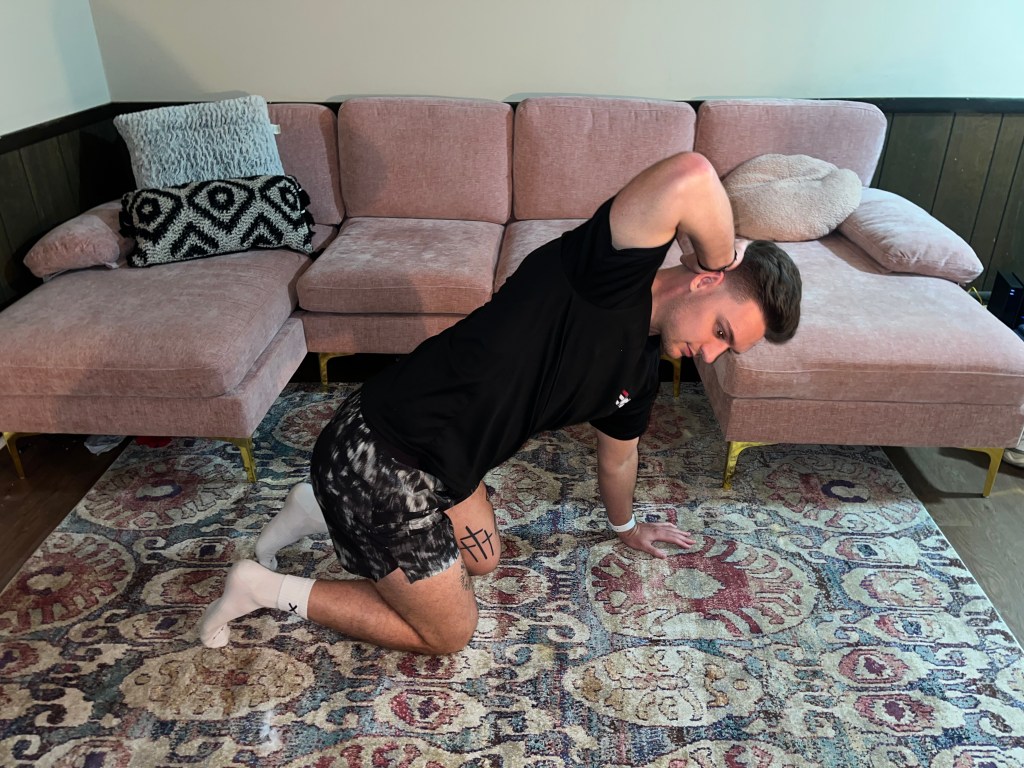
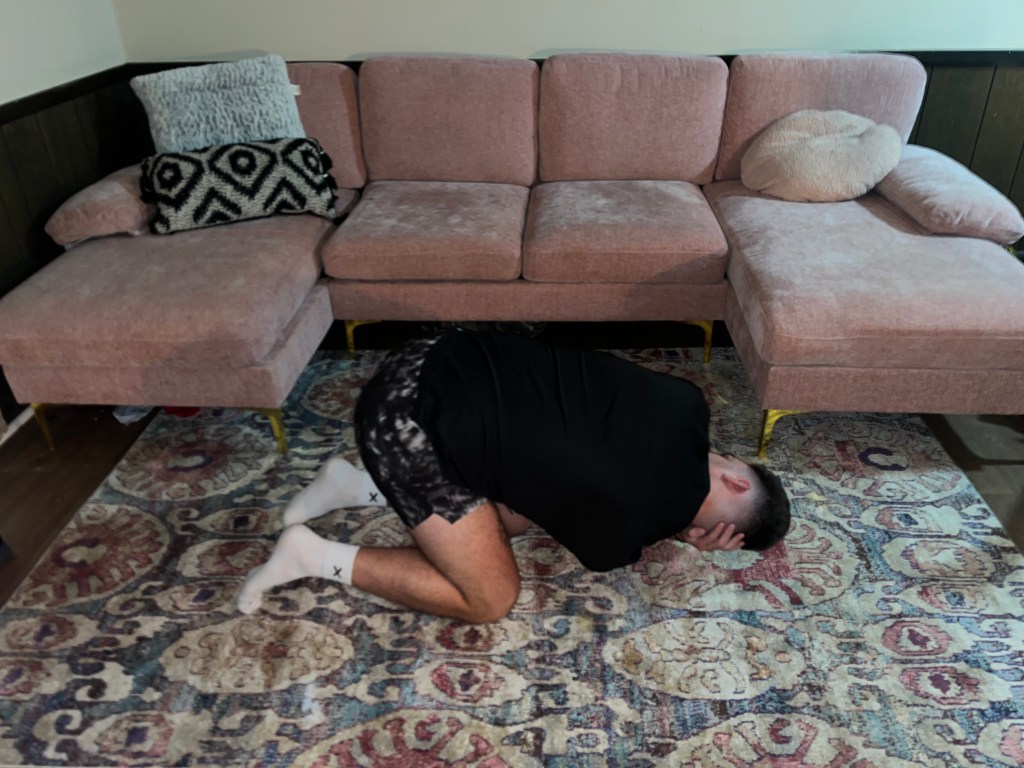
- T-spine stretch
Again, you’ll be on all fours. Taking one hand, putting it behind your head, you will tuck you elbow underneath.
“It’s kind of like you’re taking the opposite arm and pulling it into your armpit,” said Smith. It’s really good if you have any type of impingement going on in your mid-back.”
- Child’s pose
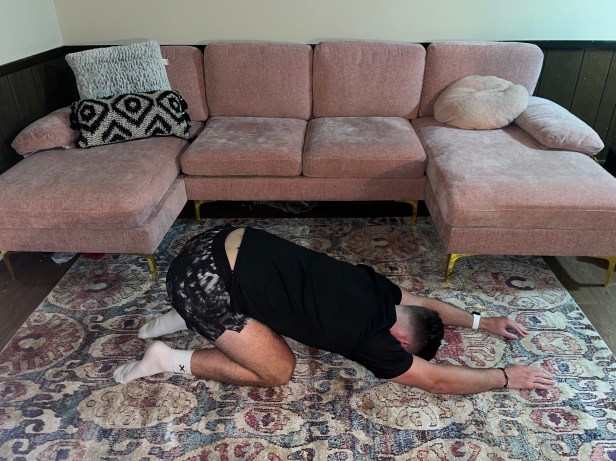
In a quadruped position, you’ll let your hips sink down to your heels, stretching your hands far above your head and letting your head fall between your shoulders. This position allows your mid-back, or the thoracic spine, to stretch out.
Cervical spine
- Cervical extension
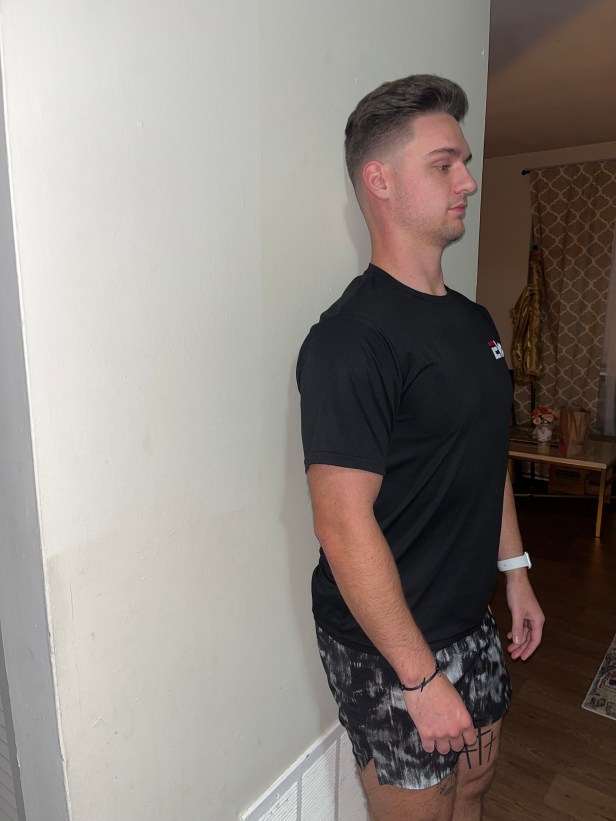
This one is more of a posture correction. It targets any stiffness in the neck or at the top of the back. For this movement, you will stand flat against the wall with your head, shoulders, and sacrum as close to the wall as possible.
“You’ll tuck your chin in and pull it back, trying to touch the back of your head against the wall,” Smith said. “What it does is it aligns the lumbar, thoracic, and cervical spines all in one straight line, which is proper alignment.”
 Vallo Vision News