
Story By: Sam Knee
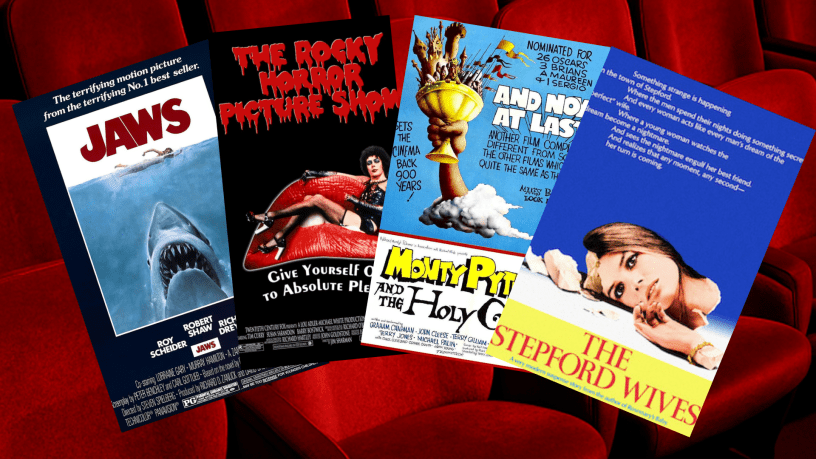
Montevallo, Ala. — Many movies are turning 50 years old this year. These 4 just so happen to have become some of the most iconic of their time. The genres range from horror to comedy, and even a musical. So, let’s look at some and view their history and the impacts they have left.
“Jaws” (1975) by Stephen Spielberg
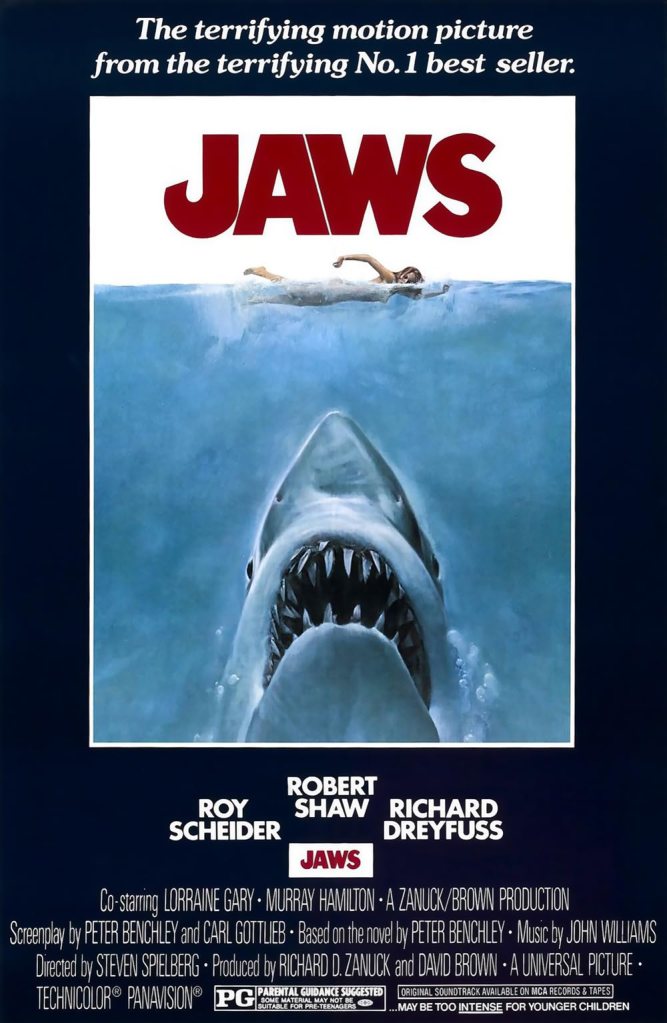
“Jaws” (1975) was an adaptation of Peter Benchley’s novel of the same name that had been published the prior year. The movie focuses on a shark terrorizing a small island town during an important time for the people.
According to BoxOfficeMojo, the movie released to a rousing success grossing $260,696,045 in the United States, but only grossed $533,251 internationally. Though the movie appears to have flopped internationally, it still managed to exceed its initial budget of $7,000,000, meaning it was more than successful.
“Jaws” (1975) has made a big splash reinvigorating the animal attack genre of horror movies all while creating interest in the aquatic animal attack sub-genre. Some movies can trace their origins and inspirations to “Jaws” (1975) are “Orca” (1977) by Micheal Anderson, “Piranha” (1978) by Joe Dante, and “The Meg” (2018) by Jon Turtletaub. The movie even inspired a documentary “Sharkspliotation” (2023) by Stephen Scarleta that revolves around the “shark attack” subgenre of horror movies and the impact these movies had on shark populations.
Another impact “Jaws” (1975) had was increasing negative stigma and fear of sharks. This increase in fear lead to an increase in shark hunting that hurt the shark population. Many organizations like Shark Steward exist to help shark maintain and protect shark populations.
“The Rocky Horror Picture Show” (1975) by Jim Sharman
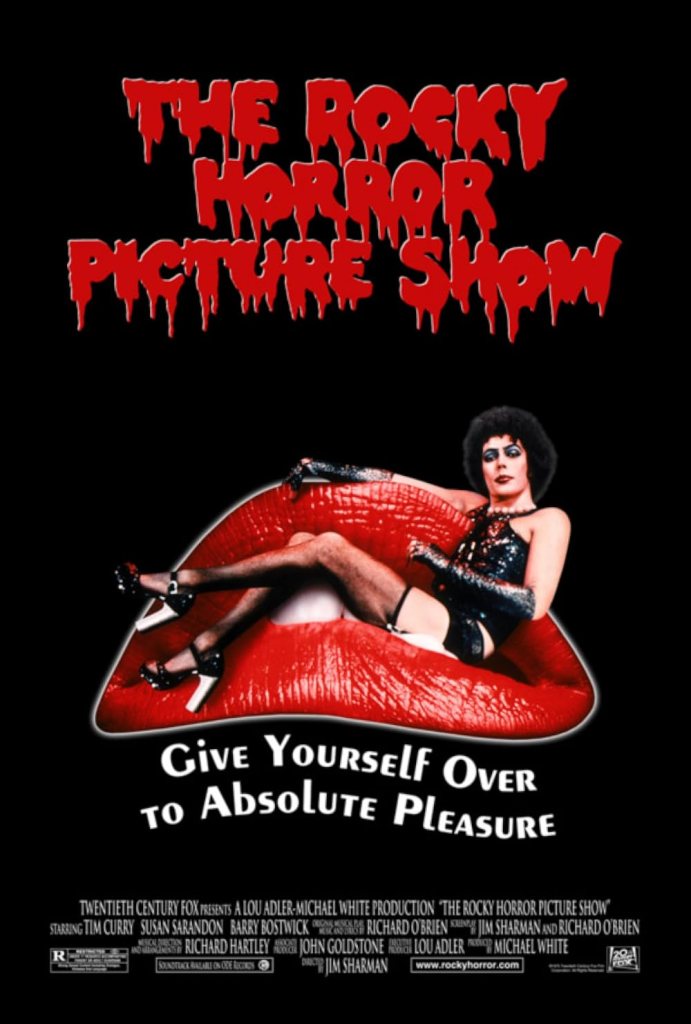
This cult classic musical centers on a couple that find themselves at an old manor owned by a mad scientist. Though the actual plot is a lot looser and more confusing than most movies and shows produced, it has still managed to find a dedicated fanbase over the last 50 years. The movie was based on a musical theatre show by Richard O’Brian called “The Rocky Horror Show” in 1973.
According to BoxOfficeMojo, the movie managed to gross $112,892,319 from its initial release domestically. The movie was regarded as flop when it was originally released, but it has become a well-liked and adored movie. The movie’s mature and LGBTQ+ themes, plus its loose narrative, are the potential contributing factor in it initially flopping.
The movie made an impact for being a relatively LGBTQ+ friendly, at least for the time it was initially released, with one of the main characters, Dr. Frank-N-Furter, who is transgender. In 2016, “The Rocky Horror Picture Show” was remade. One of the standout members of the remake’s cast was Laverne Cox, a trans actress from Alabama, playing the trans-character Dr. Frank-N-Furter. The remake’s choice to cast an actual transgender person can be seen as an extension of the LGBTQ+ friendliness of the movie.
“Monty Python and the Holy Grail” (1975) by Terry Gilliam and Terry Jones
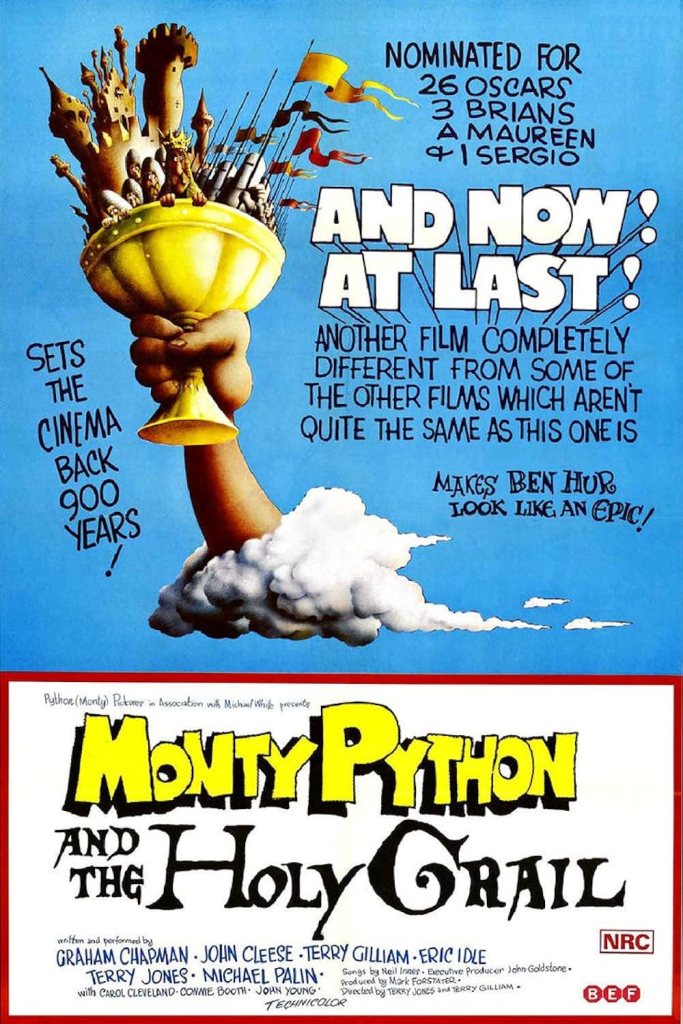
“Monty Python and the Holy Grail” (1975) is a satirical take on the King Arthur mythos. The movie not only satirizes the the mythology of King Arthur, but the medieval time period it is set in.
According to BoxOfficeMojo, the film grossed $2,562,392 from its initial release in 1975. The movie’s initial budget ranged from $319,000-$400,000. Despite its low production budget, the movie generated eight times its budget.
This movie went on to inspire many comedy shows like “Saturday Night Live,” “The Simpsons,” and even actors like Jim Carrey. According to a Mass Communication professor for the University of Montevallo, Dr. Jay Cofield, the movie inspired interest in the style of British comedy that the troupe performed for many Americans.
The comedic nature of this movie makes most of the scenes from it iconic, but two that stand-out are “the Black Knight” scene and the “Killer Rabbit of Caerbannog” scene. “The Black Knight” scene became a bit of a meme due to the lines “tis but a scratch” and “just a flesh wound” after having both of his arms cut off in a fight with King Arthur. The “Killer Rabbit of Caerbannog” scene is more of a commentary on how there is a large amount of depictions of killer rabbits in medieval artwork.
“The Stepford Wives” (1975) by Bryan Forbes
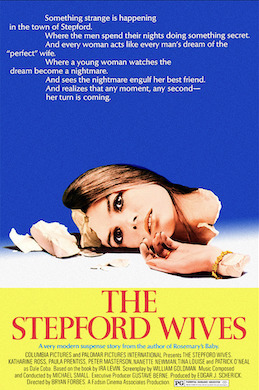
This movie was based on a novel of the same name by Ira Levin in 1972. The movie is a horror movie about wives slowly being replaced by robots.
According to The Numbers, the 1975 version of “The Stepford Wives” grossed $4,000,000 when it initially released. The movies budget of the movie was $500,000, so it had a successful initial run. The movie was remade in 2004 with a $100,000,000 and only grossed $59,475,623 from its initial release. In comparison to the 1975, the 2004 remake is considered a flop due to it only making slightly more than half of its budget back.
This feminist film explores how women, more specifically wives, in context to the movie should be more submissive or be disposed of and replaced. The focus on feminism is one of the defining impacts, as it opens many discussions on how women are treated by society. The discussion of the novel and movie’s themes continue into the modern day as Paulina Esperanza Rodrigez from Aliened Young Woman draws a comparison to the current rise in Trad Wife Culture on social media.
Which one of these was you favorite movie?
 Vallo Vision News