
Story by: Evett Nichols
MONTEVALLO, Ala. — Come, sit around and play Dungeons and Dragons, or a different game. Gather friends, snacks, pencils, and paper to step into a world of pure imagination. Each player a story teller with a dungeon master to guide them into an adventure which could last for one session, a one-shot, or many years, a campaign.
Now with the D&D guide books bought and read, the character sheets filled out, and a group of companions to meet in a fictional setting, it’s now time to roll. Except, there is one key component missing of your tabletop game: dice.
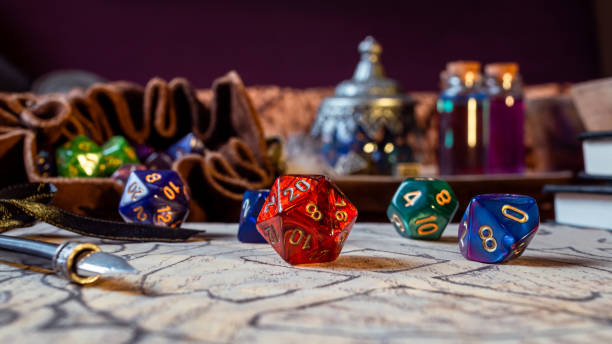
Welcome future collectors, dice goblins, dragons and every creature in between to the world of dice collecting.
When dealing with most table top role playing games having some form –improvised, virtual or physical- of dice is essential for playing. Improvised dice is great for a budget, but the real debate happens with virtual versus physical dice.
A new player looking to begin their dice hoard, might find it tempting to buy the first cheap set of dice on sight. However, dice are fickle items which greatly affect the outcome of every game. A table top character lives and dies by the roll of the die, so knowing the odds aren’t against you from the beginning is a bonus. As a seven year player and watcher of D&D here is a guide from what I’ve learned and researched into the world of dice collecting.
1. Find a reputable seller.
Reputable doesn’t mean expensive. It’s possible to find dice on amazon to fit any budget. When shopping on Amazon always check the reviews, including the negative ones. There are also online shops, like Misty Mountain Gaming, that sell exclusively D&D dice. However, they will cost more. Possibly ranging from 30 to 300 dollars and beyond.
2. Material and quality are key
Dice can be made of all sorts of materials. The ones commonly used is acrylic, resin, and metal. Each coming with pros and cons.

Acrylic dice are the cheapest and easily available. According to Brandon Shoupe, blogger for the company Awesome Dice, it’s best to buy clear ones. As clear dice are less likely to have bubbles, which imbalances dice rolls.
3. Do not follow the shinnies
Shiny dice, or dice with trinkets in them – may look cool, but they are often balanced terribly. Morgan Carpenter, writer for the D20 Collective, states in his article, “Dice balance: what is it?”, “- dice with stuff inside them (like glitter, miniature figures, or sequins) are also likely to have more weight in the places where the inserts are, since these things are likely heavier than the resin itself.” Shopping for aesthetics is not always the best idea. This is where point one, two, and four come in handy
4. Test
There are three ways to test the balance of acquired dice.
The easiest for resin and acrylic die is salt in a cup of warm water until the die can float. Tap the die and see if the side that comes up changes. If the dice isn’t well balanced, one side will come up repeatedly.
Option two: Statistics. Roll the dice one hundred times and write down each number. If the rolls consistently skew towards high or low numbers, the die isn’t balanced.
Option three: eyeballs. Look over the dice for any inconsistencies in its build or current condition. As a table top role playing games blogger Ebon Wood advices in their post: “Why Balanced Dice Matter in Dungeons & Dragons (and Every TTRPG)”. “Look for warped faces, off-center inclusions, or chipped edges. These visual clues often indicate balance issues.”
5. Have Fun
Ultimately whatever dice you pick, while they can make or break characters, don’t decide how much fun you, the player or dungeon master, have. Wil Wheaton is an actor known for his role in Star Trek: Next Generation as Wesley Crusher. In the D&D communities however, he is well known for having statistically improbable low rolls for his characters. Yet the fun is never lost in each game he plays.
 Vallo Vision News